ROBE DI KAPPA
1 Logos and restyling over time
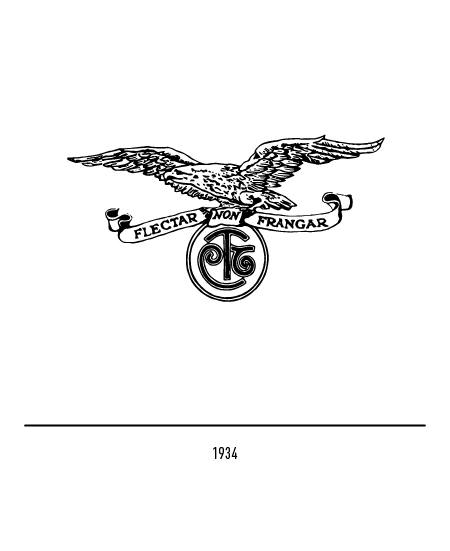
Kappa was founded in 1916 by Abramo Vitale, a young man from Turin who, to avoid military conscription, devoted himself to the production of socks and underwear by establishing the “Calzificio Torinese”; the company’s first logo, introduced in 1934, featured an eagle in flight clutching a “CTT” monogram (standing for Calzificio Torinese, Turin) and a ribbon bearing the Latin inscription “flectar non frangar”—meaning “I shall break but not bend”.
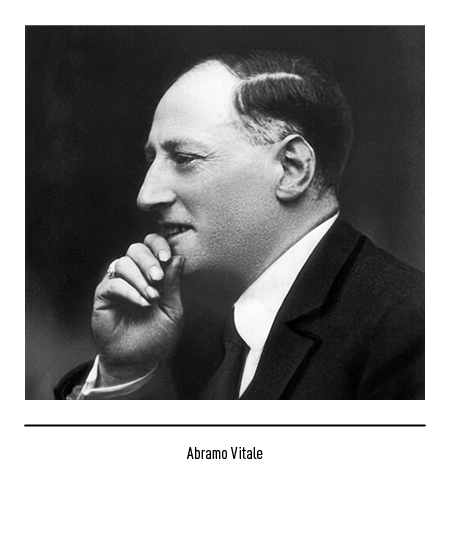
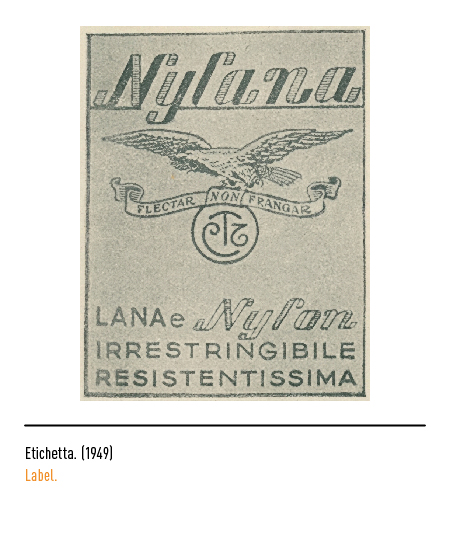
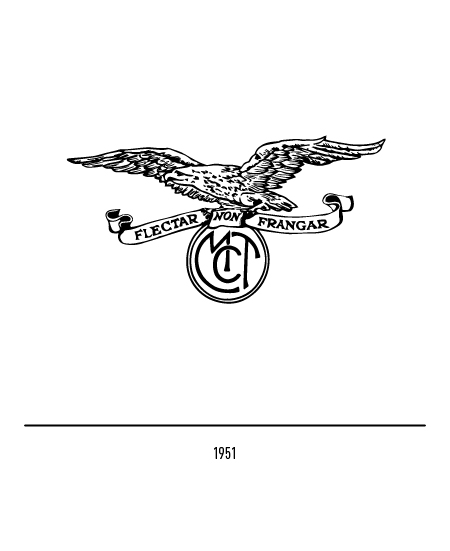
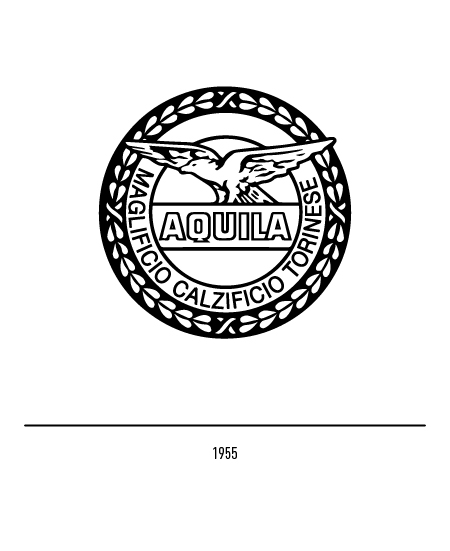
In 1938, ownership passed to his nephew, Davide Vitale; following World War II, the company began producing knitwear as well, changing its name in 1951 to “Maglificio Calzificio Torinese.” A significant milestone was the supply of socks to the Italian army under the “Aquila” product brand. In 1955, this product brand became the company’s corporate brand, depicted as a stylized eagle inside a circle.
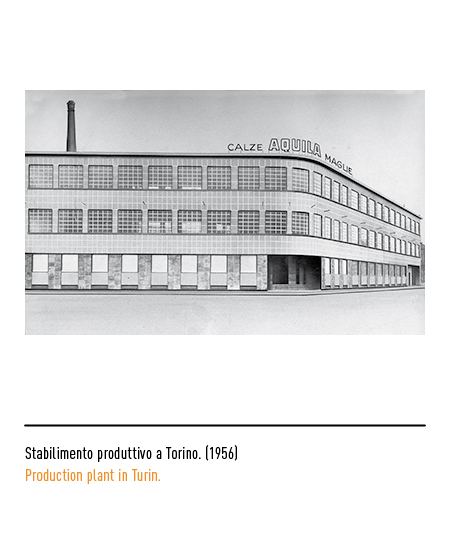
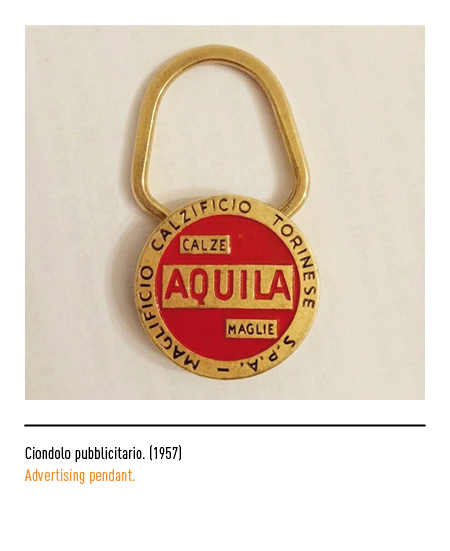
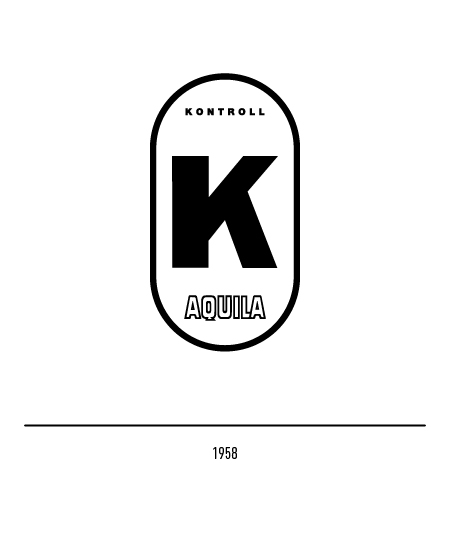
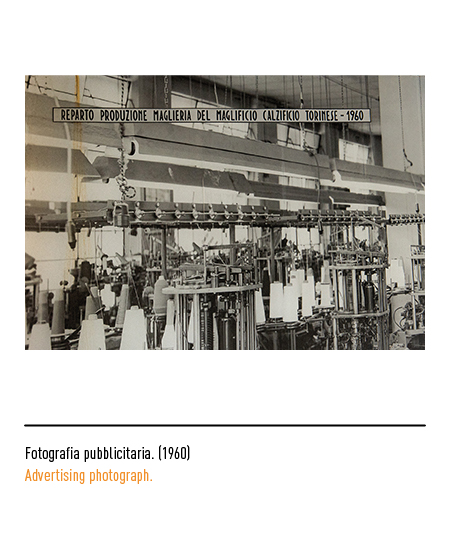
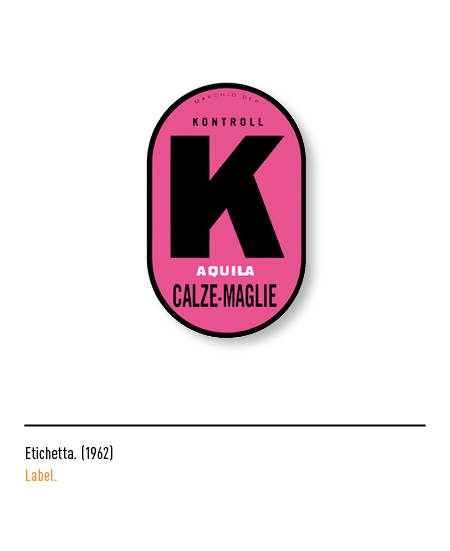
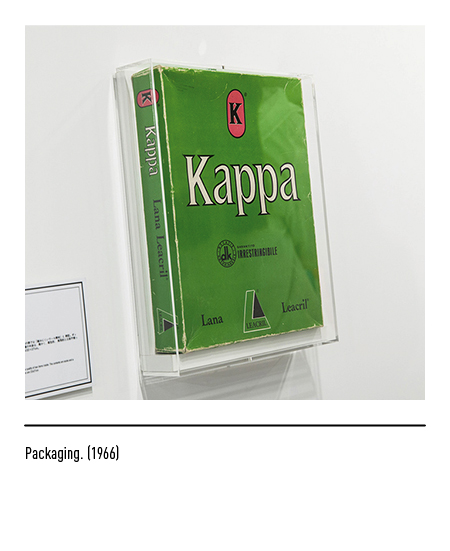
To address a quality issue—specifically, the return of boxes containing defective socks to the factory, accompanied by threats from suppliers—the brand underwent a transformation. A decision was made to introduce a quality control symbol as a guarantee for the customer: the letter “K,” short for the German word *Kontroll*. This prominent letter, set against a pink oval background, became a mark of quality—though not yet a full-fledged brand identity. Communication efforts began to center on this letter, which over time became so recognizable and sought-after by customers that, in 1958, it replaced “Aquila” as the company’s name. Following a slump in military orders, the company shifted its focus to the consumer goods market.
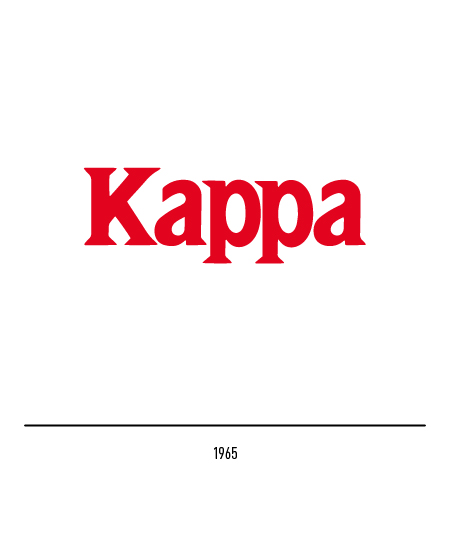
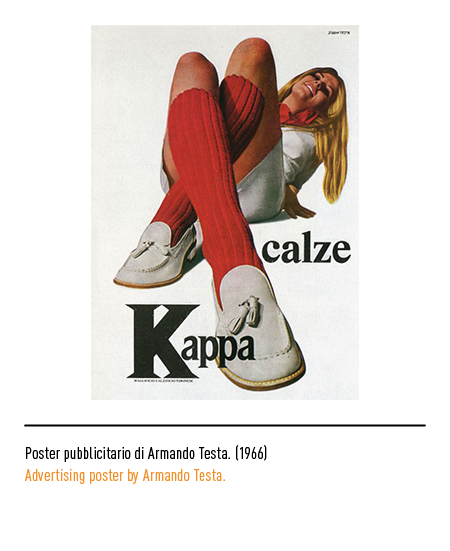
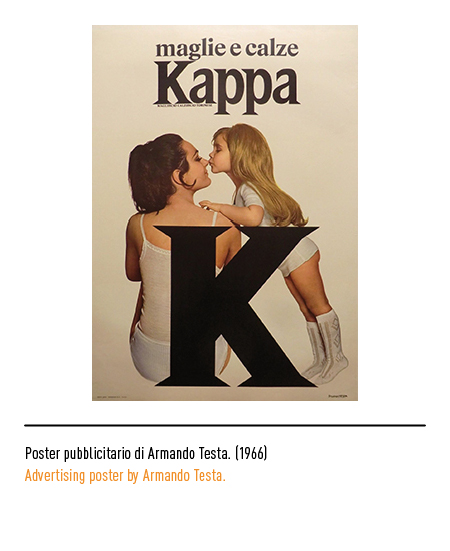
In 1965, the logo designed by Armando Testa depicted the word “Kappa” with a capital initial.
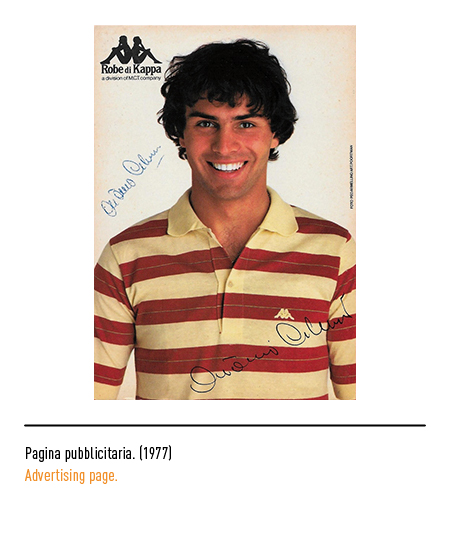
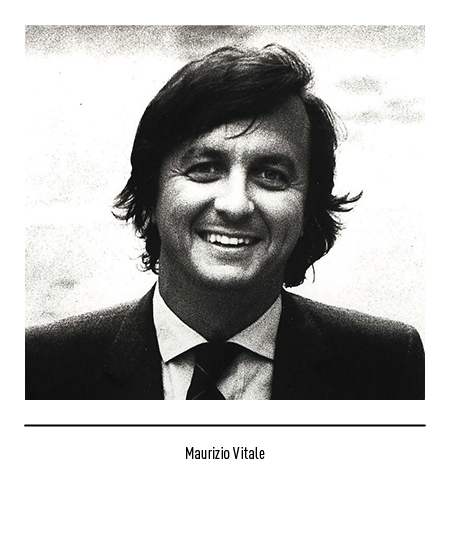
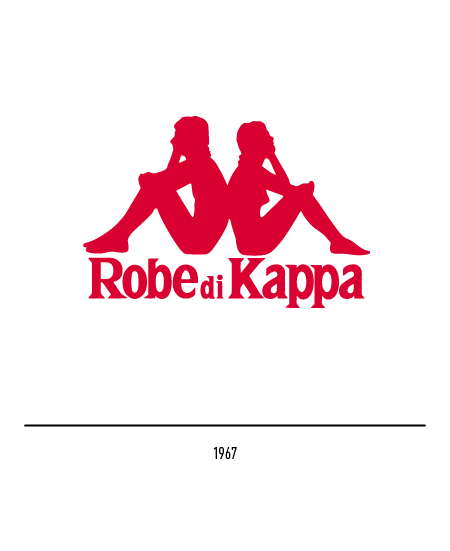
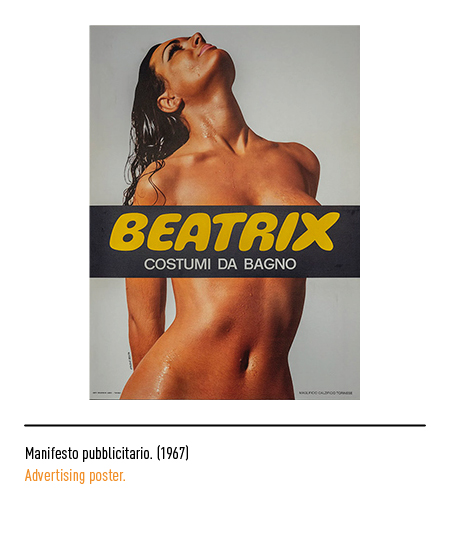
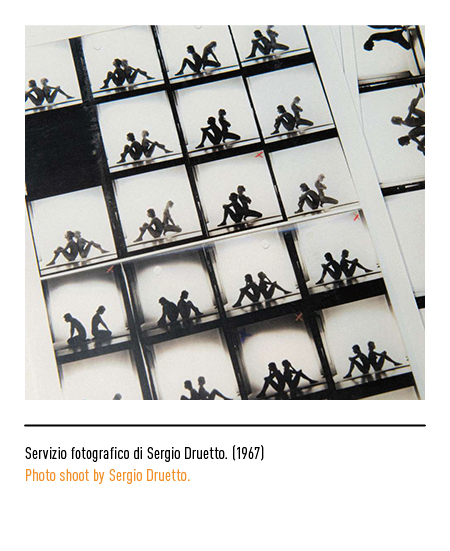
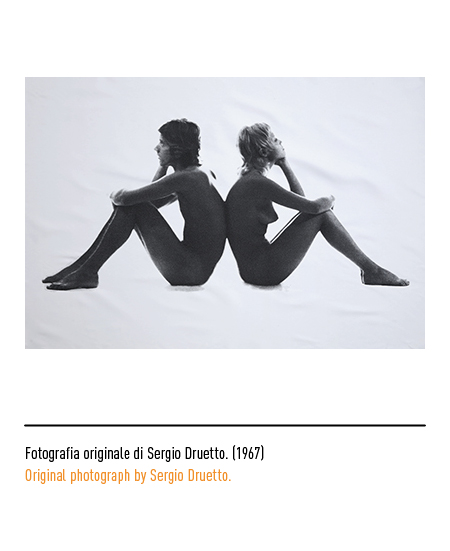
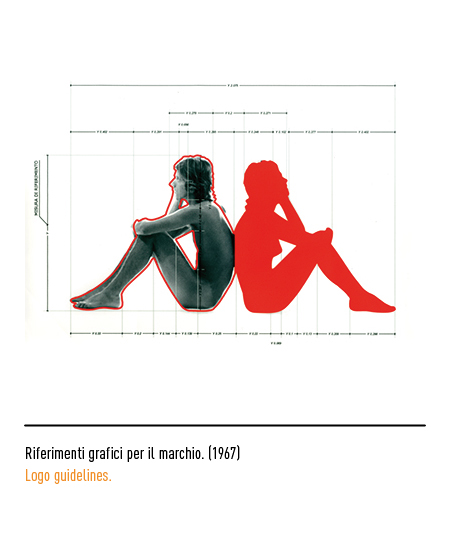
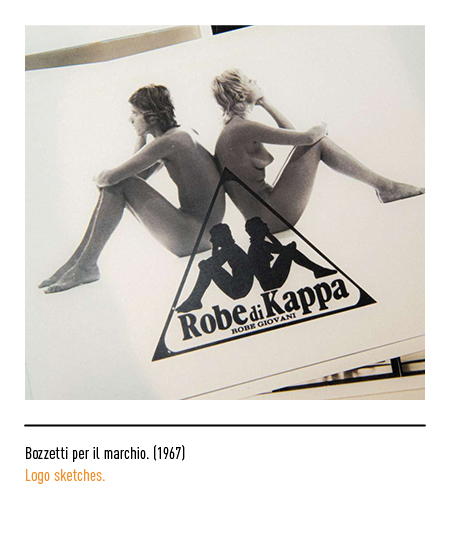
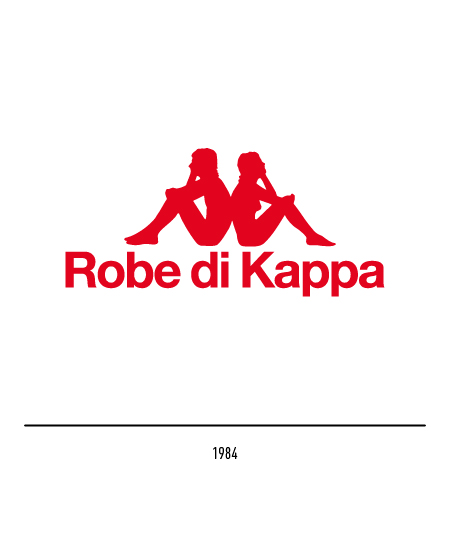
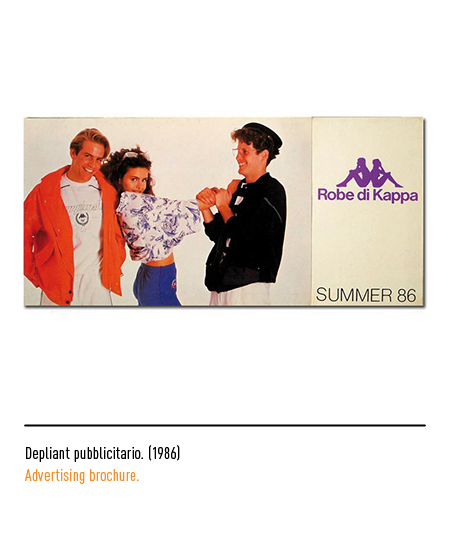
In 1967, Maurizio Vitale—Abramo’s great-nephew—took the helm of the company with a vision to revolutionize production by reimagining T-shirts and tank tops through the lens of the 1968 counterculture. During a photoshoot in Ibiza for “Beatrix” — a swimwear brand owned by the same parent company as Kappa—a backlit shot that photographer Sergio Druetto had originally discarded was rediscovered; it featured two young people sitting with their backs to the camera, their silhouettes forming an image that would become the brand’s logo—a symbol of equality and cooperation between the sexes. “So, what do we call this stuff?” came the question, delivered in a distinctive Turin accent. “Call it whatever you like! Call it “Robe di Kappa” [Kappa’s Stuff], was the reply that gave birth to the new brand name. In 2019, the company launched a social media appeal to track down the two young models who had inspired the famous logo; of the pair photographed fifty years earlier by Sergio Druetto, only the man was found—the woman was not.
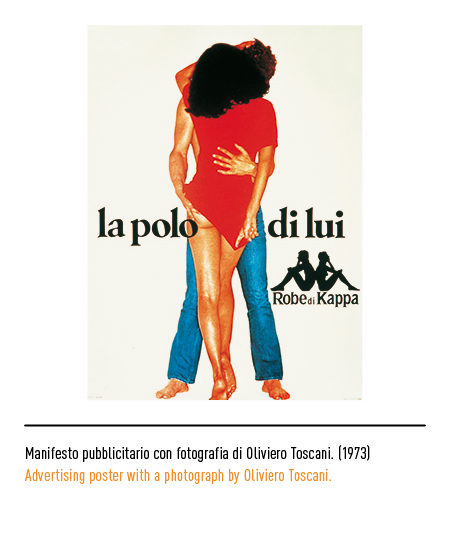
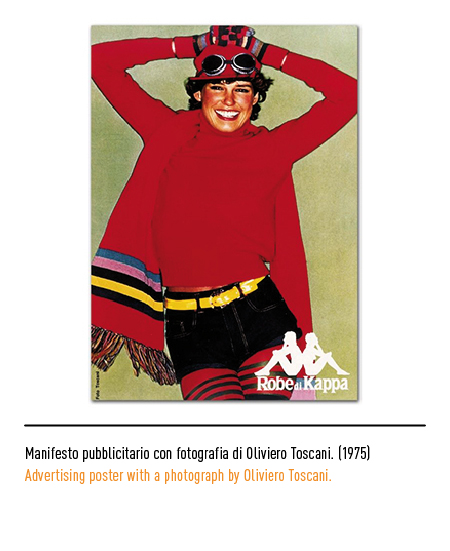
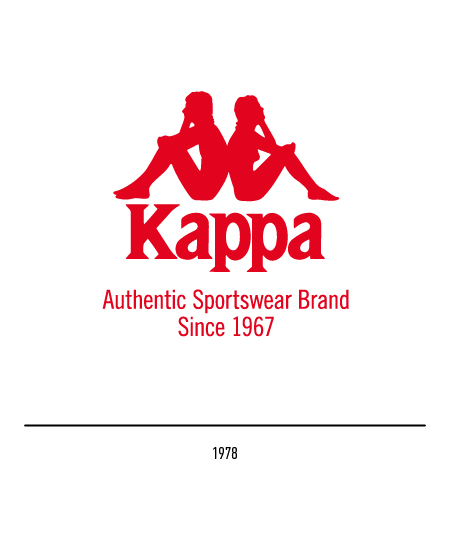
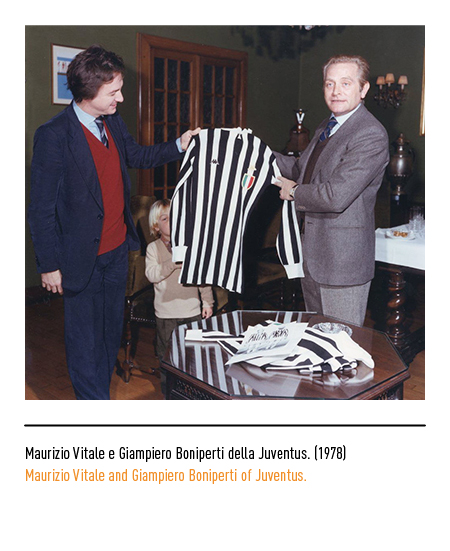
In 1978, Maurizio Vitale became the first person in Italy to sponsor a football team, fully aware of the sport’s importance to the masses; this led to the creation of the company’s dedicated sports division—featuring the “Kappa” logo and the tagline “Authentic Sportswear Brand Since 1967″—and under this brand, Juventus became the first Italian football team to feature a sponsor’s logo on its playing kit.
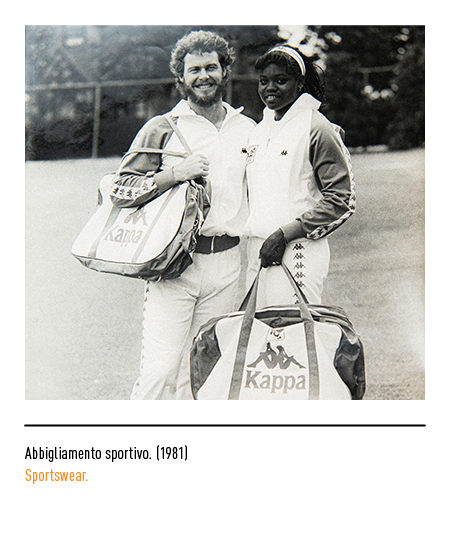
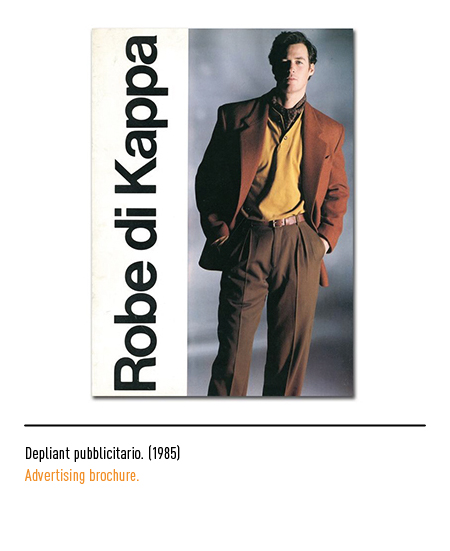
In 1984, coinciding with the Los Angeles Olympics, the brand underwent a redesign featuring the Helvetica typeface; the brand became the official clothing sponsor for the US team, showcasing new apparel items to the world that had never been used before.
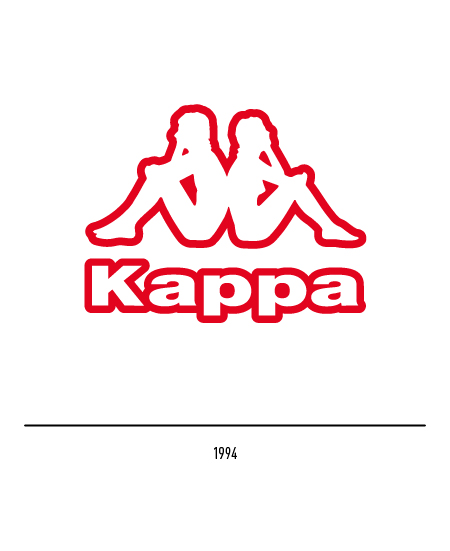
In 1994, the company filed for bankruptcy and was acquired by Marco Boglione, who modernized the brand with a contemporary look featuring red-outline figures and the Helvetica Extended font.
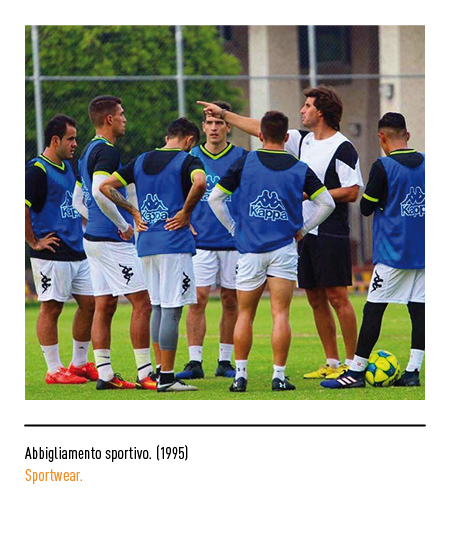
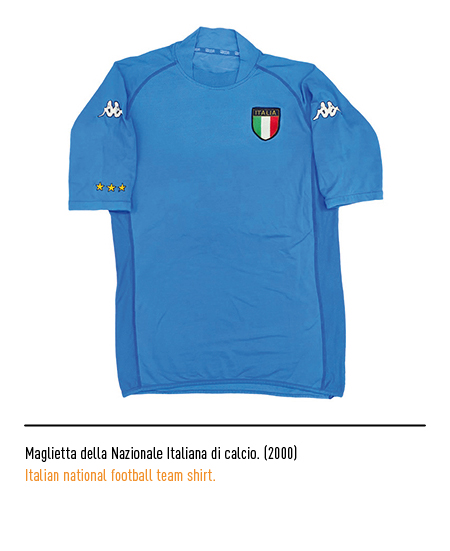
In 1997, the brand featured a logo set in uppercase Futura. In 1999, it became the technical sponsor of the Italian national football team; the following year, it unveiled the “Kombat” jersey—hailed as revolutionary—a form-fitting design inspired by surf suits.